Description
Starlink V2, the next generation of SpaceX’s satellite internet service, offers several advanced features aimed at improving connectivity, coverage, and user experience and is available at Mobihub Electronics. Here’s a detailed overview:
Enhanced Satellite Technology
- Higher Bandwidth: Starlink V2 satellites are designed to provide significantly increased bandwidth compared to their predecessors, allowing for faster internet speeds and better service for more users.
- Improved Latency: With advancements in satellite positioning and technology, Starlink V2 aims to reduce latency, providing a more responsive internet experience, which is crucial for applications like gaming and video conferencing.
- Advanced Phased Array Antennas: These antennas can steer beams dynamically, allowing satellites to focus their signals more effectively, improving reliability and speed for users on the ground.
Increased Coverage and Capacity
- More Satellites: Starlink V2 plans to deploy a larger constellation of satellites in low Earth orbit (LEO), enhancing overall coverage and capacity. This aims to reduce congestion, especially in densely populated areas.
- Global Reach: The system is designed to provide high-speed internet access to remote and underserved regions, bridging the digital divide and making internet access available globally.
User Equipment Improvements
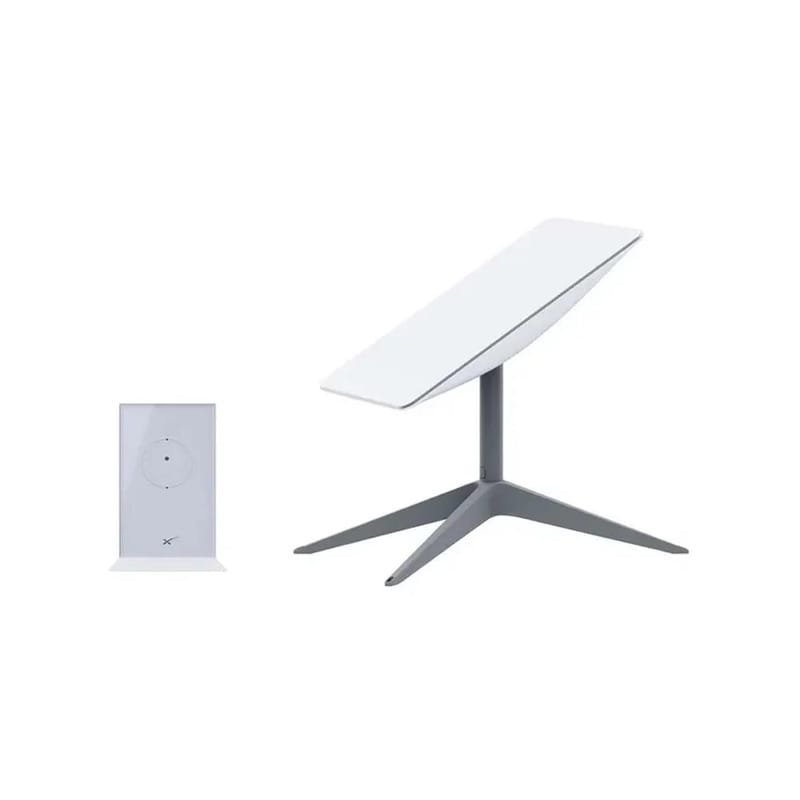
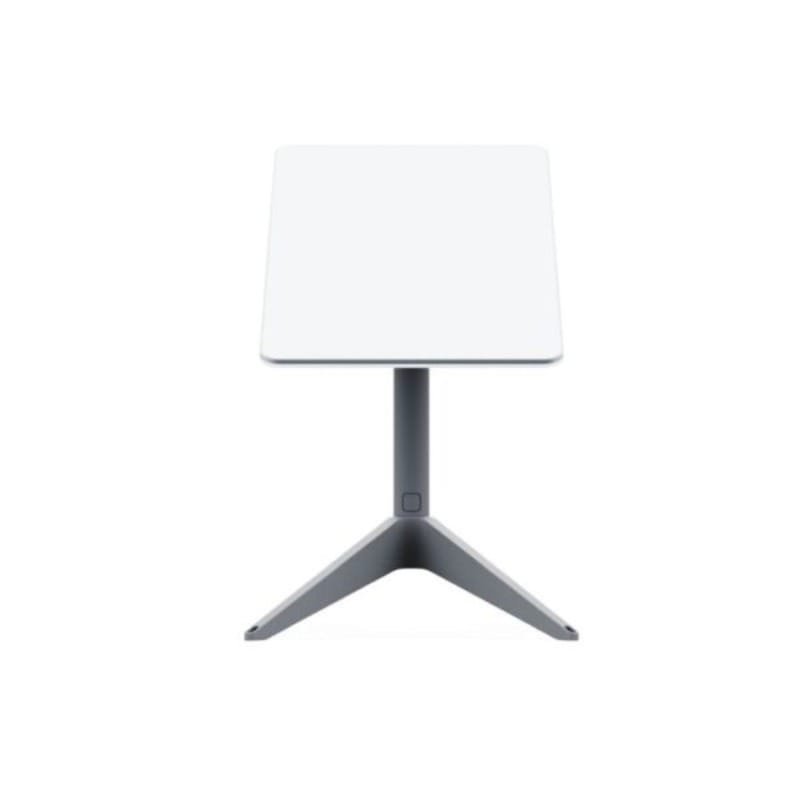
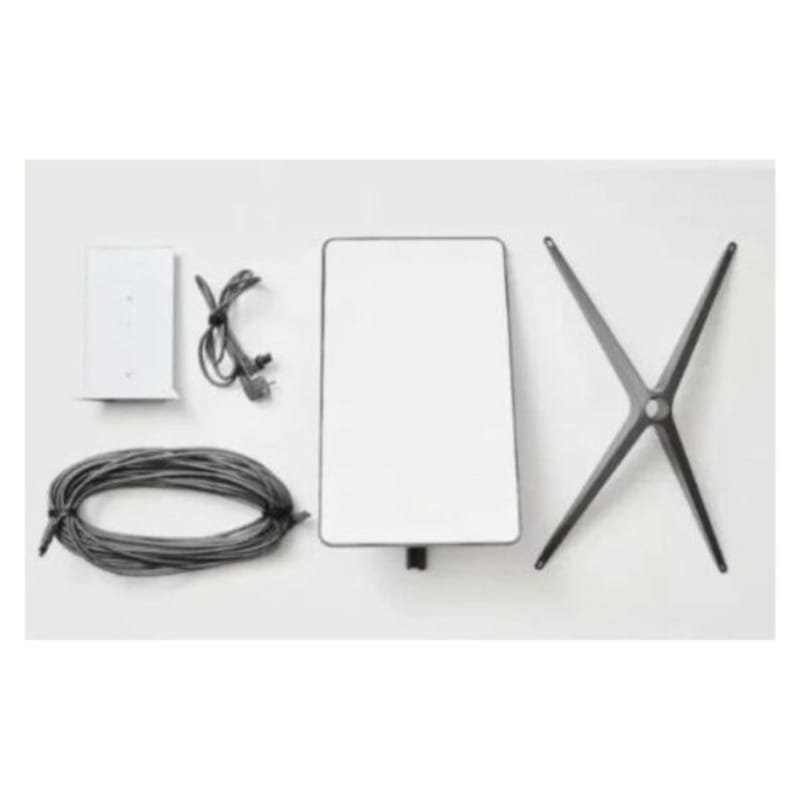
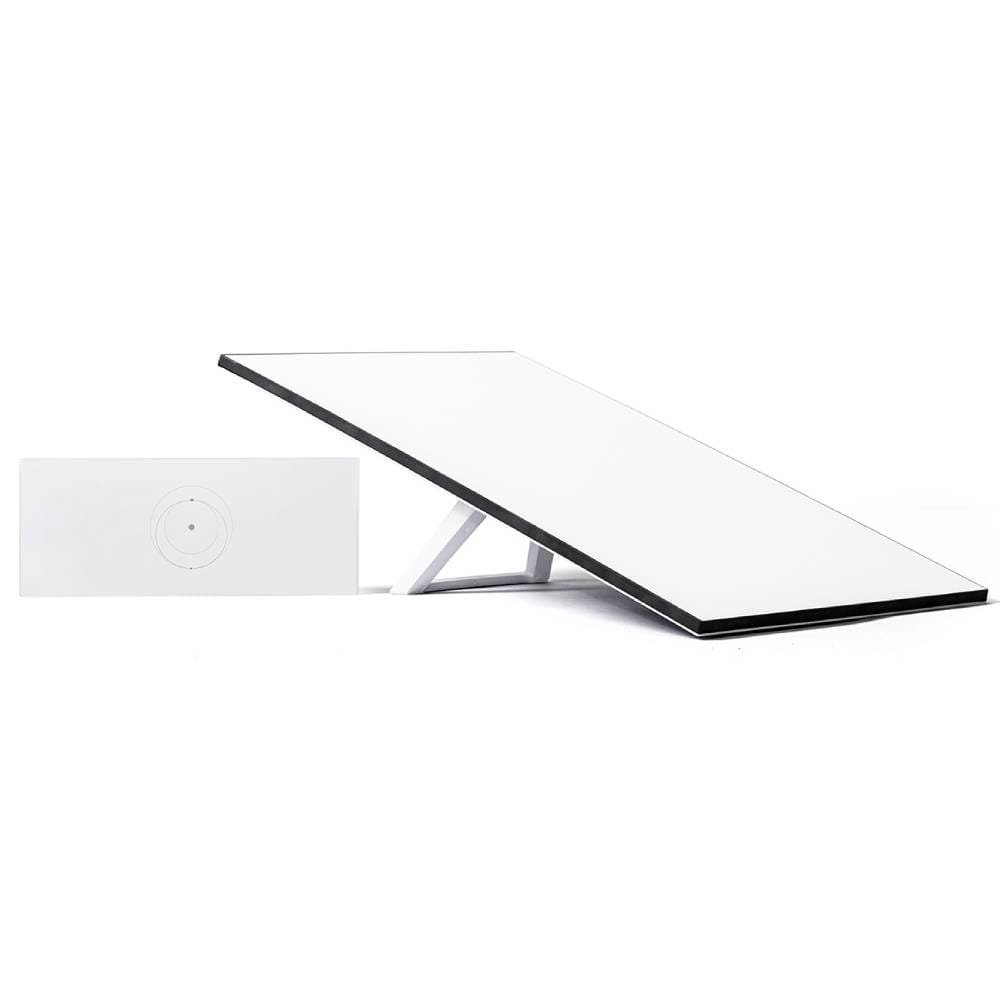
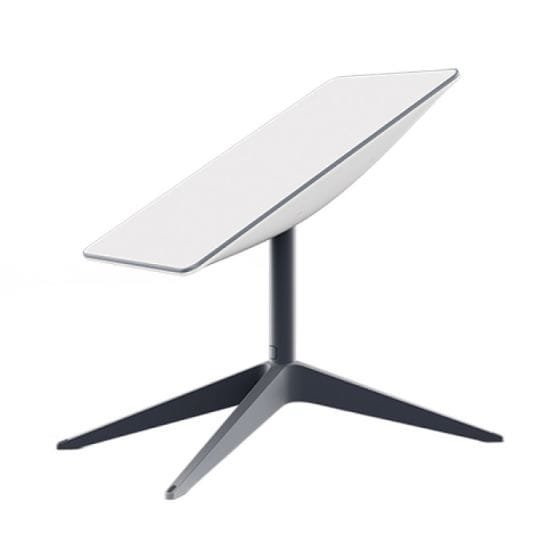
- Next-Gen User Terminals: The Starlink V2 user terminal (dish) features a sleeker design, is easier to install, and has improved tracking capabilities, enabling better connectivity as satellites move across the sky.
- Dual-Band Operation: The user terminals may support multiple frequency bands, enhancing performance and allowing users to connect to the most optimal signal available.
Software and Network Enhancements
- Intelligent Routing: Starlink V2 incorporates advanced software algorithms that optimize data routing through the satellite network, improving overall speed and reducing latency.
- Network Slicing: This feature allows the network to allocate resources dynamically based on user demand and service requirements, ensuring that critical applications receive the necessary bandwidth.
Environmental Considerations
- Reduced Light Pollution: Starlink V2 satellites are designed with new technologies to minimize their brightness and reduce light pollution, addressing concerns raised by astronomers and environmentalists.
- Debris Mitigation: SpaceX continues to enhance its debris mitigation strategies, ensuring that satellites are designed to deorbit safely at the end of their life cycles.
Enhanced Security Features
- End-to-End Encryption: Starlink V2 aims to enhance user privacy and security with improved encryption methods, protecting user data from potential threats.
- Network Security: Advanced security protocols will be integrated into the network to safeguard against cyberattacks, ensuring a secure browsing experience.
Future Integration and Use Cases
- Integration with Other Technologies: Starlink V2 is expected to integrate with emerging technologies, such as IoT devices, providing seamless connectivity for smart home applications, agriculture, and other sectors.
- Mobile and Maritime Services: Enhanced capabilities are being developed for mobile applications, such as connectivity for vehicles, ships, and aircraft, extending Starlink’s usability beyond stationary setups.
Conclusion
Starlink V2 represents a significant leap forward in satellite internet technology, with features that enhance speed, capacity, and user experience. Its focus on global coverage, environmental responsibility, and advanced technology positions it as a leading solution for connecting users in a variety of settings. As SpaceX continues to innovate, the potential applications and impact of Starlink V2 could redefine internet access in the coming years.
Reviews
There are no reviews yet.